


VIRTUAL COLLECTIVE EXHIBITION 2020
Virtual Contemporary Art Exhibition in the Time of Coronavirusstra
From December 20, 2020

Where: Online on the official website www.sabrinafalzone.info and on the Facebook page
We are living in a particular and very delicate historical period, in which Covid-19 has generated a social fabric of uncertainty and fragility. At this time, art also absorbs social tensions and is transformed through the sensitivity of contemporary artists. In order for art not to disappear in such a delicate moment but rather to be a valid support for all humanity, the art critic Sabrina Falzone continues to exhibit and promote selected artists on an international scale in the context of this Virtual Exhibition. Now more than ever, Art takes on an importance of global impact for the transmission of a message of hope and positivity to society.
In the midst of the Christmas period, with the hope of reminding the entire world of the existence of beauty and "light" in the darkness of emotions and relationships that we are experiencing, we want to reassure that Art and Creativity are still there, stronger and more assertive than before, to remind us how beautiful Life is. The Virtual Exhibition curated by the art critic and historian Sabrina Falzone and organized by Falzone Arte Contemporanea with the institutional patronage of the Italian State Police Workers' Union (SIULP), addresses various issues related to the Coronavirus period. The most singular and authoritative artists on the creative scene have been chosen for the occasion, who have investigated these themes with acuity and sensitivity, a very powerful weapon (sensitivity).
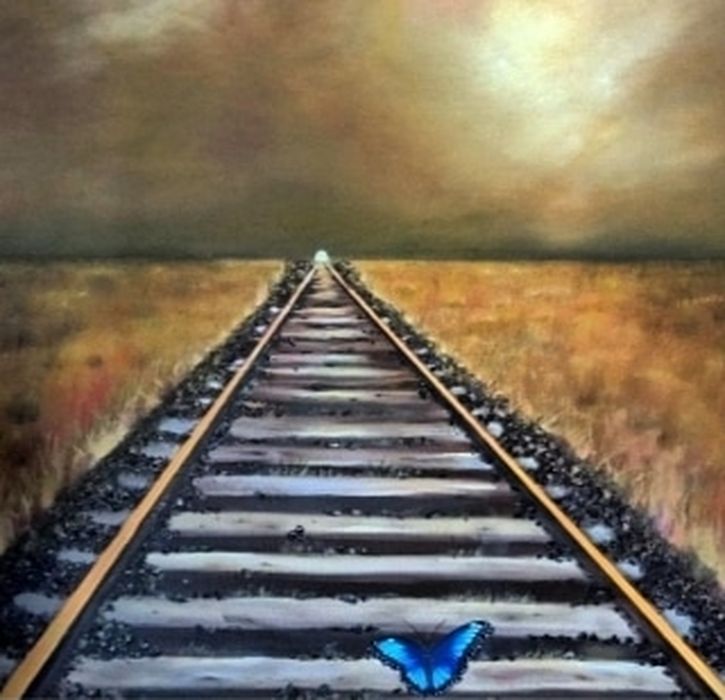
The painting that seals the passage between these two different existential dimensions of ART IN THE TIME OF CORONAVIRUS (before and after Covid-19) is "Transmigration", painted by Luisa Finicelli with acute sensitivity that manifests itself mainly in her spiritual chromatism and in the conception of a metaphorical journey.
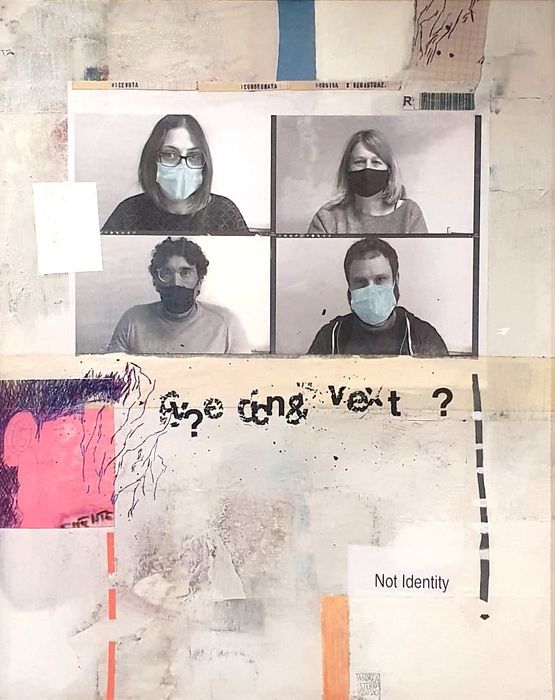
Thus, an epochal change is recorded in the sphere of social relations that ends up calling into question one's own identity, as Andrea Sterpa shows us in the mixed-media painting on canvas entitled “Not Identity”. In it, the artist denounces a loss of identity with the mass imposition of wearing safety devices, which on the one hand serve to protect us from contagion, but in fact, by covering part of the face, they make us even more uniform, nullifying our personality.
The sense of loss of identity is significantly investigated by the artist FMT in the works “Virus”, “Quarantine”, “Salomè” and “Solitude”, in which a repeated series of figures populates the pictorial scene: he creates an internal split in the human being.

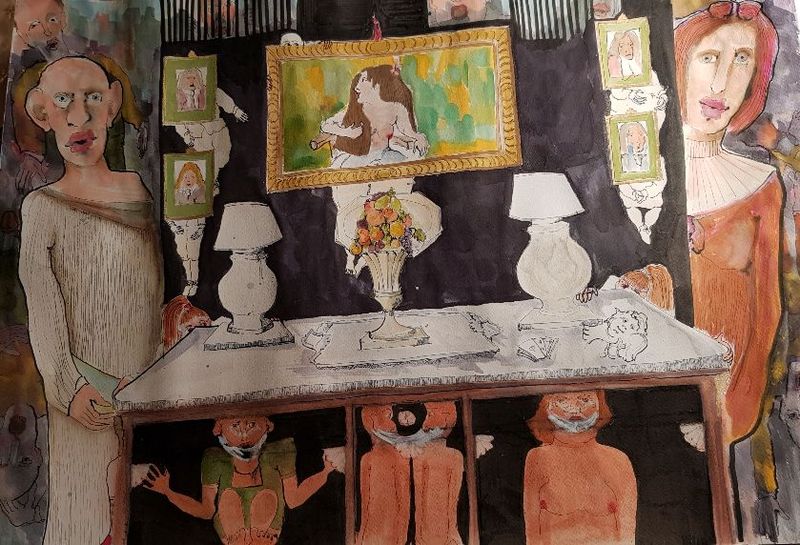


In a historical period like the one we are experiencing, identity is condemned to suffer an involuntary split of the self, which generates disturbance, anguish and inner torment. The particularly delicate chromatic register of the paintings "Virus", "Salomè" and "Quarantine" differs significantly from the mixed ink that anticipates one of the great themes of the Coronavirus period: "Solitude", a work with a more intense and decisive chromatic accent in the predilection of a considerably more marked visual contrast.
The four works of art created by FMT highlight the crisis of the human being in a historical period extremely difficult to overcome closed in one's own solitude and the author recreates it in a vibrant way in his painting with many innovative ideas and with the result of giving light to an unexpectedly harmonious pictorial draft.
FMT is certainly a free and sincere artist in pictorial expression, his communication appears immediate and direct, addressing everyone without exclusions with his message of universal scope.
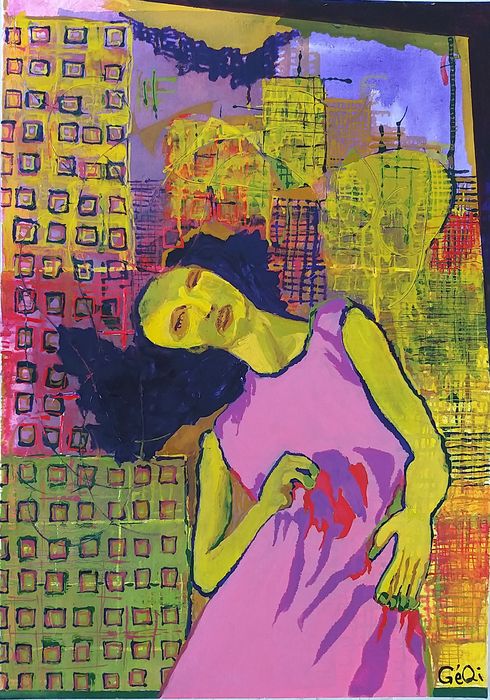
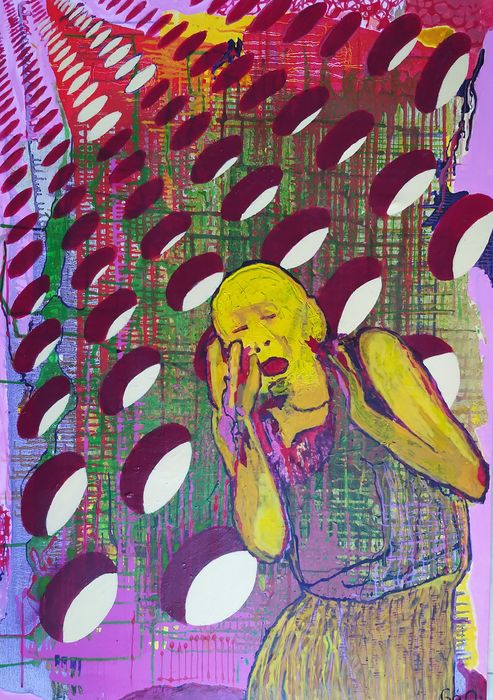
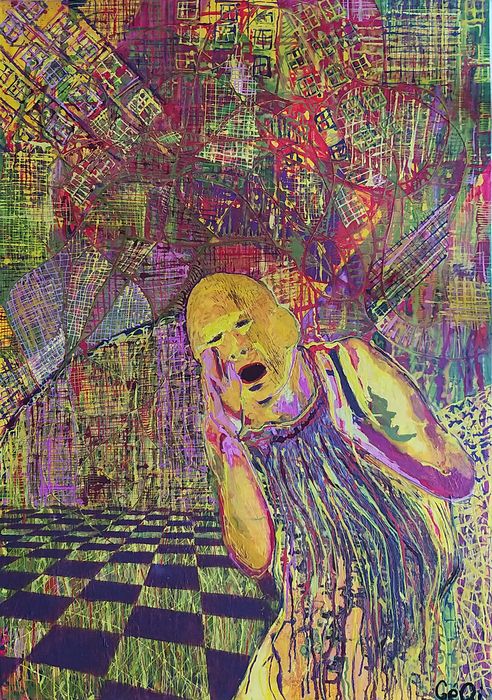
The human crisis that shakes the entire world and generates a climate of doubt and anxiety is the subject of pictorial investigation by the French artist Gérard Beaugrard, who touches on the theme of solitude in the painting “Toute seule” and recalls the lesson of Egon Schiele and the Viennese expressionists with a more lively and personal chromatic reinterpretation.
In the work “Disparaître de Soi” Gérard Beaugrard also feels the need to emphasize the internal split of man in this particular moment during Covid-19. He mostly prefers solitary figures who appear with somatic features extremely exasperated by desperation.
Munch's lesson and the reference to his famous “Scream” are present both in “Disparaître de Soi” and in “ça me désarticule” in the emblem of human anguish. They are both works of expressive intensity, psychological introspection and manifestation of inner unease in the representation of human figures shocked by the irrationality of their anguish, in stark contrast with the geometrically arranged background that restores rationality to the whole. Those of Gérard Beaugrard are therefore works of great balance.
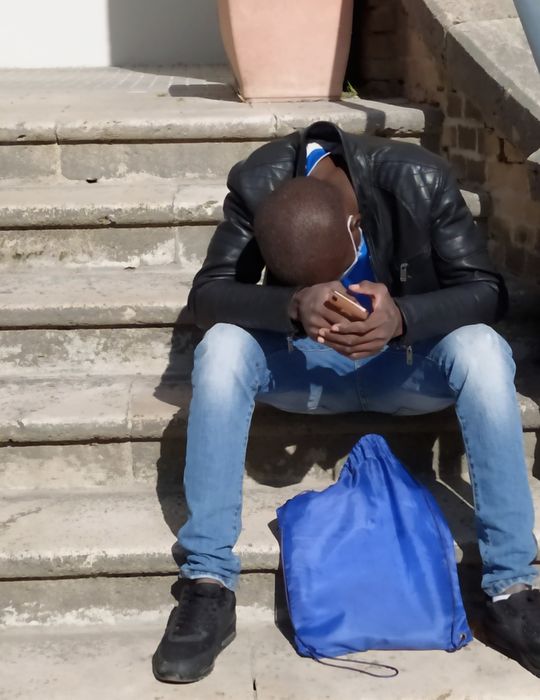
An extraordinary chromatism of hope is transmitted by the observation of the digital photograph “The time of Coronavirus” performed by Miriam De Berardis, a tireless researcher of new visual horizons, where the dimensions of time and space seem frozen and overwhelmed by the energy of color.
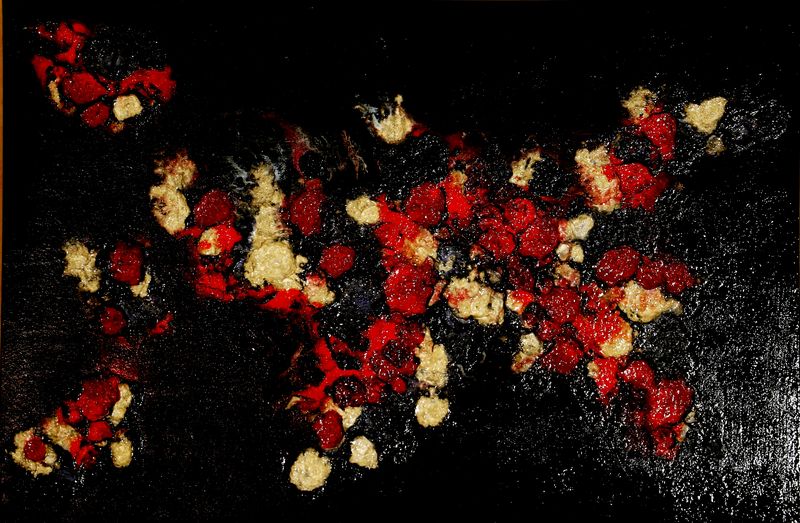
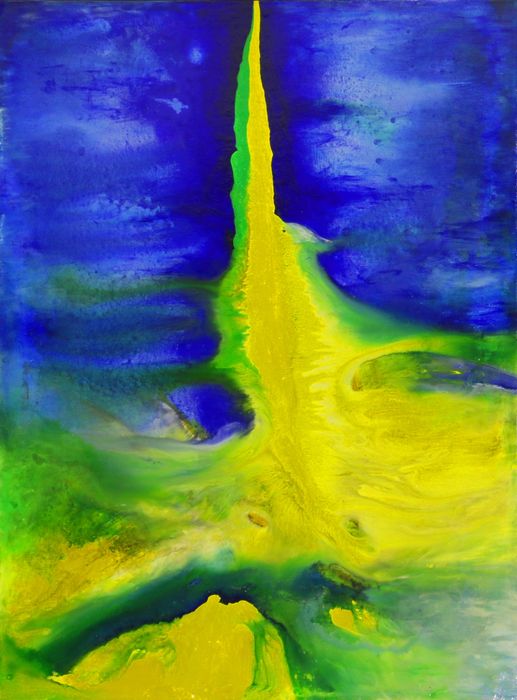
If we talk about color, we cannot fail to mention the master Gianfranco Gobbini who in the painting entitled “Le biglie di Joseph-corona” starts from a dark background, a reflection of the dark times we are living in, until he paints a real explosion of light in the work of art “Rivivere-rinascita”. Gianfranco Gobbini manages to masterfully express the apotheosis of a Post-Covid rebirth through the luministic emphasis of color, passing with ease from a symbolically livid painting (observe “Le biglie di Joseph-corona”, where the drama of the red even seems to vibrate on the painted surface) until reaching a triumph of light and hope.
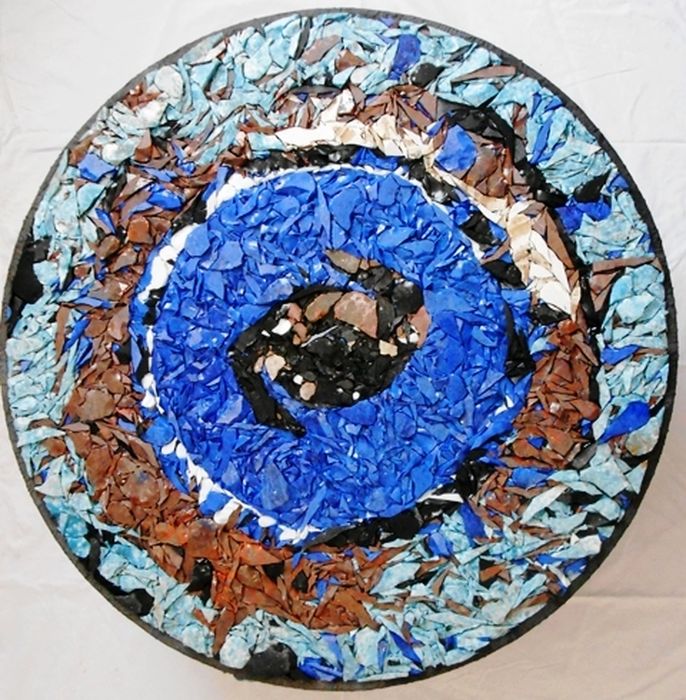
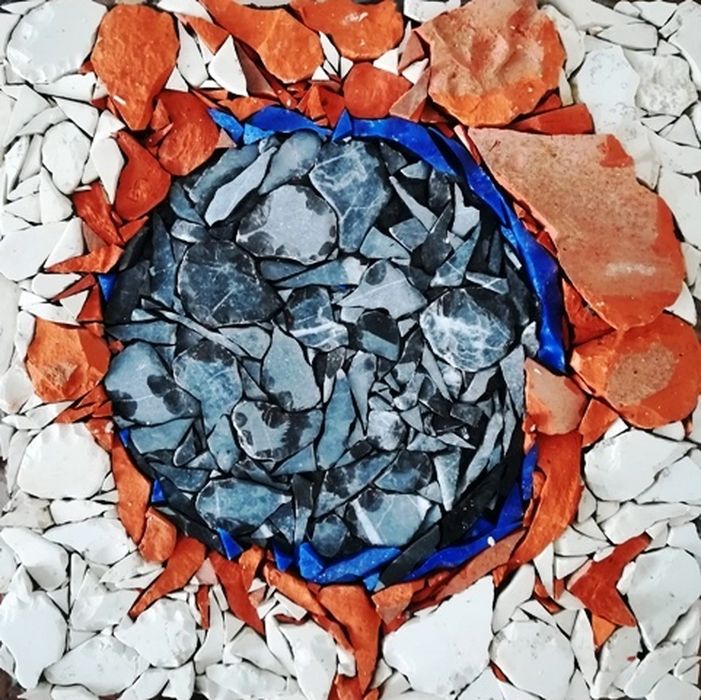
With Aude Fourrier we arrive at the intuitive mosaic ®, a very particular technique between tradition and modernity that is clearly evident in “Scintilla” and “Vibrazioni”. The French artist interprets mosaic as the art of manipulation par excellence and recomposition of matter as an allegory of Life, highlighting a projection and extension of itself in the visual investigation of the soul. Aude Fourrier's is nothing more than a singular intuitive artistic practice with a strong playful accent and a vibrant energetic communication, born from the suggestive union between the energy of matter, light and creativity, from whose fusion emerges a dimension of silence and serenity, more necessary than ever in this historical moment. The French artist investigates with mastery and meticulous work the meanders of spirituality.

A character of spontaneity is also present in the drawing "Guilty" created by GLORIA, which leaves free space for instinct with a precise and didactic representation of the Coronavirus drama. Essentiality and immediacy are the relevant elements in Gloria's creativity.
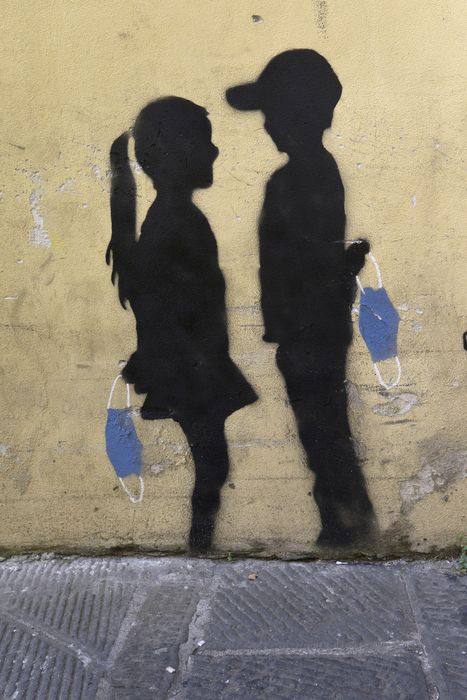
Ermanno Campalani reminds us of the spontaneity of relating in the digital work “Giù la maschera”, in which an absence of barriers in social relationships between children is suggested, more spontaneous on the one hand and more unconscious on the other. A child can always teach us many things: not to isolate ourselves for example. Ermanno Campalani thus gives us back that dimension of lightness that is being irremediably lost in the Coronavirus period.

In “Time Lapse” Rita Tripodi focuses on a dual dimension with originality through the use of unusual materials, such as the plasticized metal wire inserted in the context of a pictorial work performed with a mixed technique with oil and acrylic on canvas.
In this scenario, the great theme of SOLITUDE emerges, which FMT and Beaugrard have already anticipated, and which has been extensively investigated by the artists selected on a European scale starting with Miriam De Berardis who in her digital photograph “La solitudine” frankly highlights its drama.

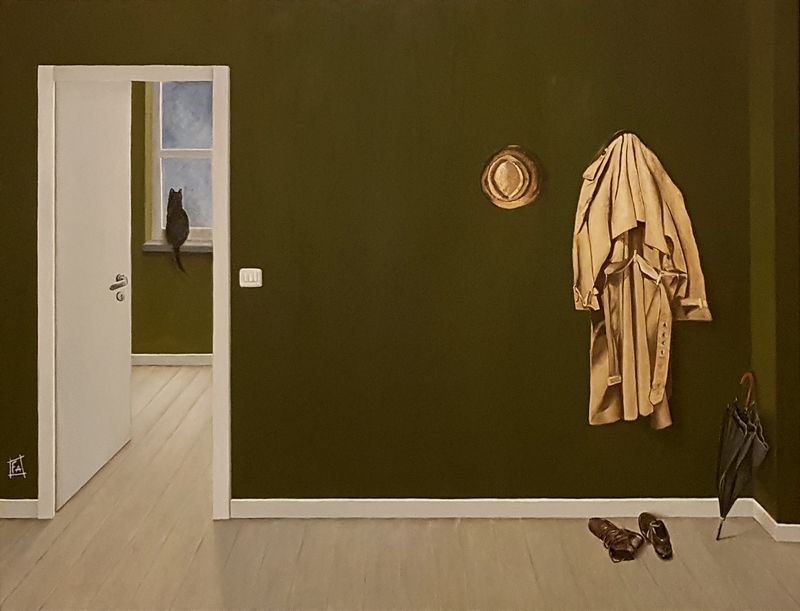
The drama of this theme is transformed into a calm opportunity in the artistic research of Franco Fasano. In detail, in the painting “Single” the positive vision of solitude is symbolically represented by some objects or elements: a few men's clothes and a solitary cat looking out the window. The brilliance of the oil dominates in both works, but gives great clarity to his painting especially in the work “Penelope 2020".


The scenic essentiality emphasizes the “story” through the images more and also in the clear painting of Alda Maria Bossi, in addition to the bright colors of the oil, we find a few decisive elements for the representation of the theme dedicated to solitude. A lit lamp, a solitary armchair, a cushion, a glass or the absence of figures in the art of Alda Maria Bossi are transformed into a visual narrative, symbolizing a difficult human condition: loneliness. In her works of art we will never find the human being, the great absentee, yet he is there, we perceive him, and Alda Maria Bossi manages to give us back his presence with such executive wisdom, accompanied by figurative simplification. It is often in simplicity that the truth, the authentic, is found. Worthy of note is undoubtedly the geometric arrangement of the representation, in harmony with the joyful chromatism, which in “Window with green curtains” and in “Early morning, the houses behind the wall” manifests itself in all its rational flair. Between architectural geometries, bright colors (expressions of life) and a diffuse and calm luminosity, the expressive research of Alda Maria Bossi celebrates life, the everyday and the acute relationship between interiors and exteriors: the drama of quarantine and forced lockdown within the domestic walls here loses its tragic connotations to recover a placid, almost imperturbable dimension.
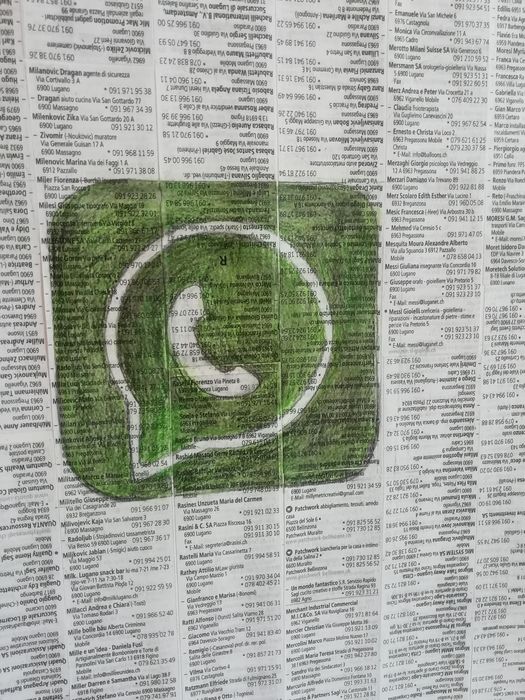
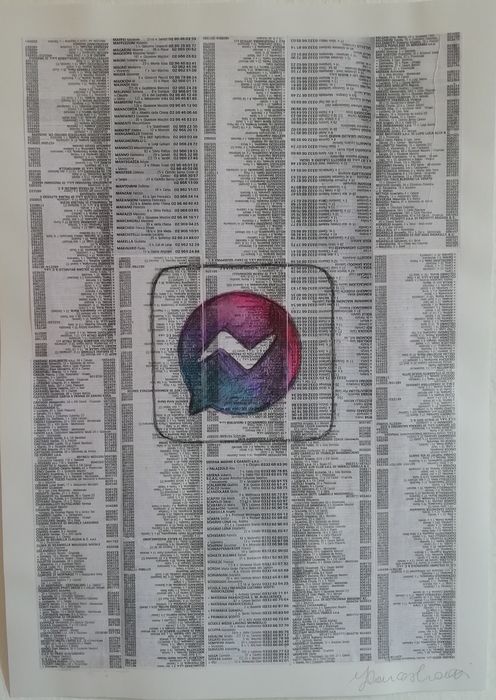
In the wake of a minimalist language, the creative Francesca Crocetti enters who in “Post-Covid conversation #1” and in “Post-Covid conversation #2” focuses on the reflection of the new methods of communication favored (if not imposed) by the current Coronavirus situation. Contacts, in fact, are reduced to the use of Messenger and Whatsapp, now widely used among all age groups.
With the advent of Coronavirus, themes such as FEAR AND FRAGILITY and PAIN. TEARS AND WOUNDS have been the subject of investigation by some artists.
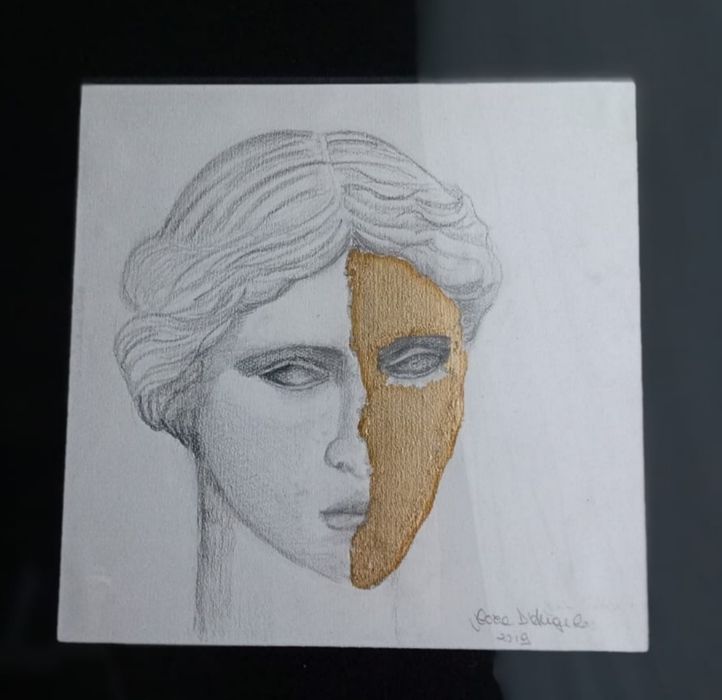
Examining Flora D’Angelo’s drawing, called “Amazzone”, the concept of internal split returns with expressive clarity as the soul is put to the test in situations of fear and human fragility. It is as if a temporary fracture of the self occurred and a conscience and a sense of loss of balance emerged, even though Flora’s drawing is very balanced.

A harmonious balance stands out magnificently in Lucia Viganò’s work “Mare Nostrum”, where the mitigated tones calm down on the acrylic-painted canvas and on which the concept of fragmentation of identity emerges, fragments of life and destiny at the mercy of the ether. Pain tears apart the psychic reality of the individual, tearing him deeply.
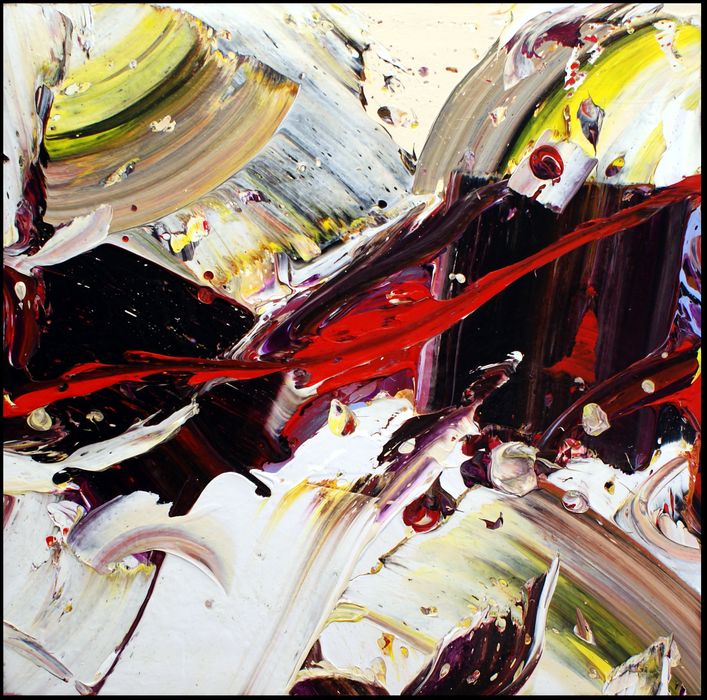
Michele De Agostini interprets the expressive virulence of pain through the abstraction of signs. In the acrylic entitled “Ferita aperta” (Open Wound), the entire energetic charge of human suffering is entrusted to the gestural emphasis of the sign and the ferocity of the color. The lashing red color accentuates the cruelty of life and dominates like an undisputed king over the other subject shades.
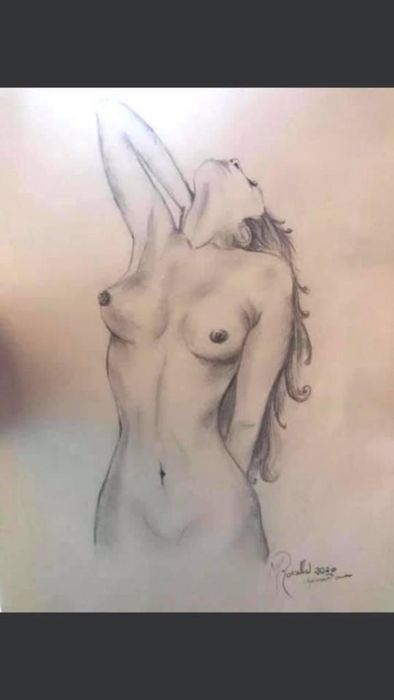
DREAM, REALITY AND ANGUISH translate into the solemnity of a splendid female figure drawn with accuracy by Rossella Mastalia in graphite on cardboard “Dream Reality”. The woman’s face oriented upwards alludes to an “other”, parallel dimension, and reminds us that when reality is saturated with anxieties, there is always a way out: the dream.
In the history of art, women have always been the vehicle of new languages to represent concepts or themes of a certain relevance. In the virtual exhibition VIOLENT MEN. AGAINST MALE VIOLENCE ON WOMEN, this social issue is explored in depth. Violence has always existed, but during the Coronavirus period it has become more pronounced and has exploded in an even more significant way. Cases of male violence have increased and this data forces us to reflect.

In the oil painting “Women of Orissa commemoration of the genocide of 2008”, made by Fabiana Macaluso, we can observe a group of Indian women in memory of the greatest anti-Christian violence that has occurred in the history of India, a violence that took place more than ten years ago, in which too many women were victims of rape, harassment and humiliation. Fabiana Macaluso has managed to bring this unacceptable atrocity back to the gaze of women.
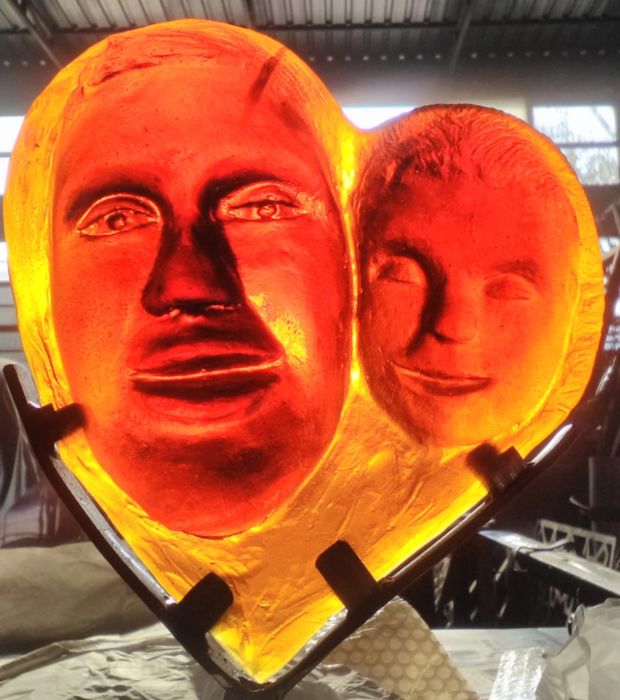
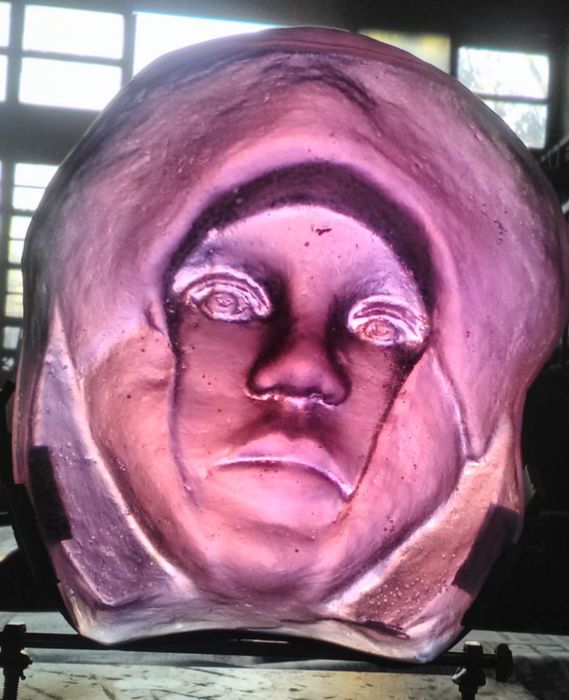
The Turkish artist Ipek Candas courageously proposes two sculptures in molten glass that are particularly effective on the theme of violence against women. In the sculpture “Dreams of a mother when her daughter is born” she denounces that many acts of violence against women occur during maternity, a particular phase in the life of an almost dreamy woman, which exposes her with greater fragility to domestic violence that is not only physical but above all emotional. In the sculpture “Frustration of the mother when her husband marries their daughter off when the elementary school in their village is closed” Ipek Candas delves into the frustration – and deep heartbreak – of a mother when her husband marries her daughter, legitimizing the abuse of her daughter. Such pain cannot be survived. Dreams are irreparably killed by patriarchy.

Language becomes symbolic in the art of Luisa Finicelli, who in “Resilience” adopts floral motifs such as poppies to express a broader concept of constraint and deprivation of female freedom. Rather than assuming the usual dramatic tones, Luisa Finicelli expresses dissent for violence against women in a sober representation, punctuated by bold light contrasts.
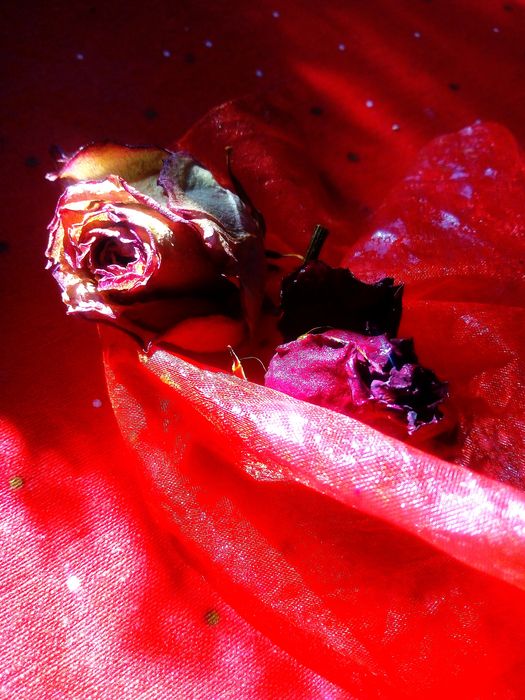
Miriam De Berardis uses roses to talk about violence against women. In the digital photograph “The roses and the blood” this desire to metaphorically express on the one hand female beauty, on the other the “thorns of life” when women become the chosen target of insecure men is clear. De Berardis’s work addresses this delicate theme with wise elegance.
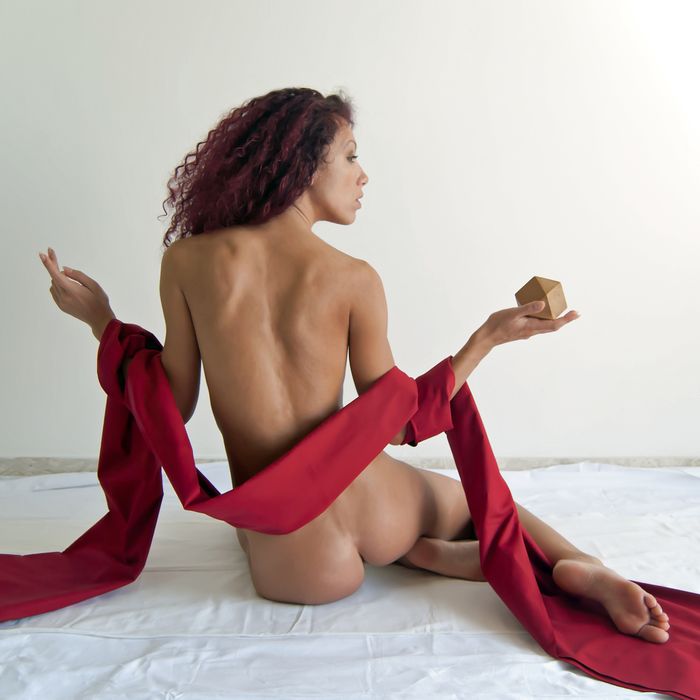
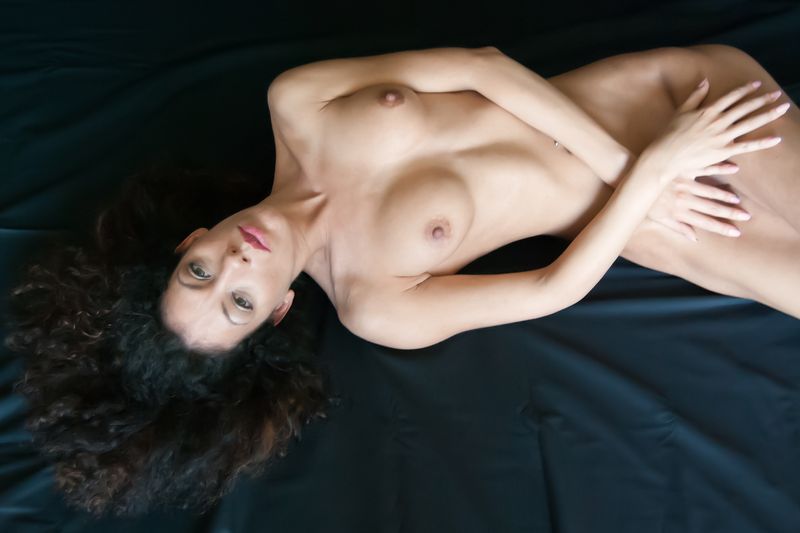
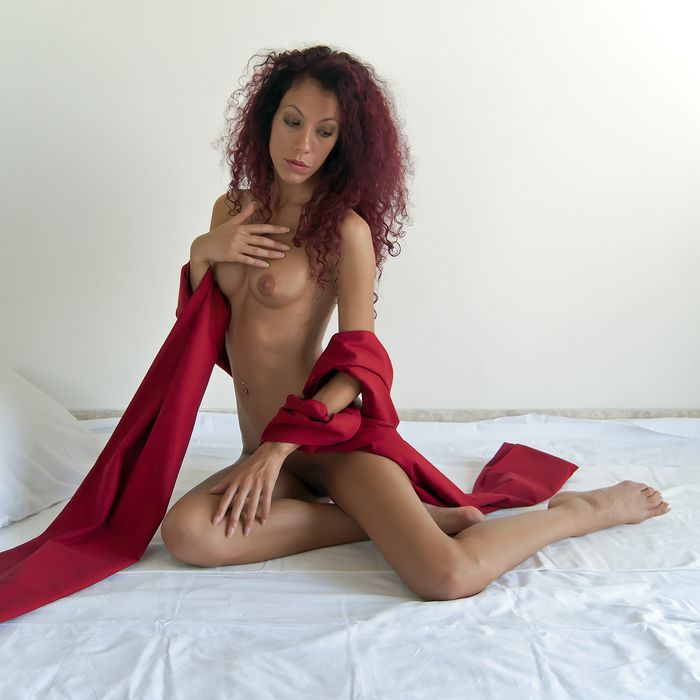
Another of the great themes investigated by this collective virtual exhibition with an international character is REBIRTH, in which the artist Mauro Martin engages with statuesque female models and an almost solemn use of light. If you look at the work entitled “The crystal of memory” a sinuous play of lights supports and emphasizes the desire as well as the need for a rebirth. In the majestic theatricality of the nude, Mauro Martin becomes a poet of the image, making use of his photorealism capable of reaching straight to people's hearts. Just observe the extraordinary triumph of light in “Posa medicea” or the refined introspective intent to understand the unprecedented artistic production of Mauro Martin endowed with great representative balance.
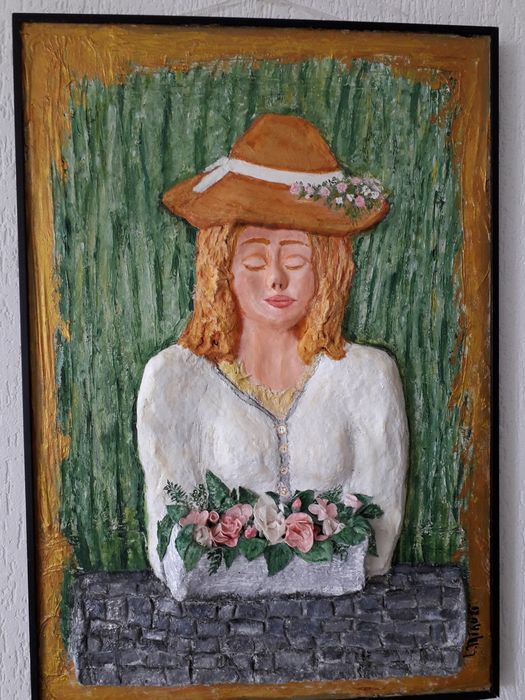
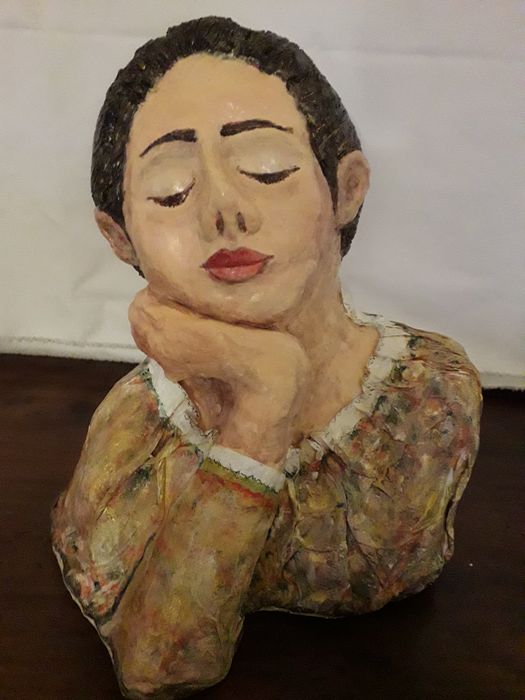
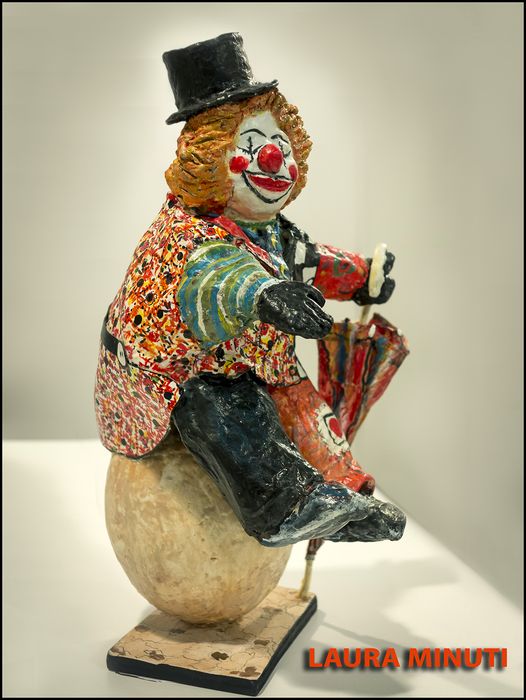
Speaking of balance, as a counterpoint to such expressive emphasis, we observe, instead, the seraphic serenity of the papier-mâché sculptures created by Laura Minuti, figures that are also solitary but an expression of an inner peace found after the storm of life. The sculpture “Giocoso equilibrio” highlights a playful subject and a joyful chromatism to restore a smile to those who have lost it. In the sculpture “Costanza” and in the pitto-sculpture “Armonia” the female gaze appears lowered in a serene and relaxed expressiveness: they are two creations that contain a reassuring message for all humanity, sweetened by floral motifs in the pitto-sculpture. Laura Minuti instills a message of positivity and the hope of a return to an inner peace, precisely a rebirth of the spirit.

In the canvas “The Spiritual Spring”, signed by Marcello La Neve, a rebirth of the soul is indicated after the journey into the darkness of humanity. The author offers a pictorial scenario centered on an ethereal female figure adorned with languid floral motifs, floating in the atmosphere.

The concept of rebirth suggested by Manuela Caruso in the work “Books make you free” is interesting, which hopes for an intellectual rebirth through the glimmer of culture, the source of true freedom. But precisely in this historical moment, culture has instead been blatantly silenced, with the related bans on the realization of cultural initiatives, cinema, theater, art, as if it were the “night of man”.
The virtual exhibition examines the inevitable theme COLORS AND WELLBEING: art and the energetic charge of colors can become more therapeutic than ever at this time.
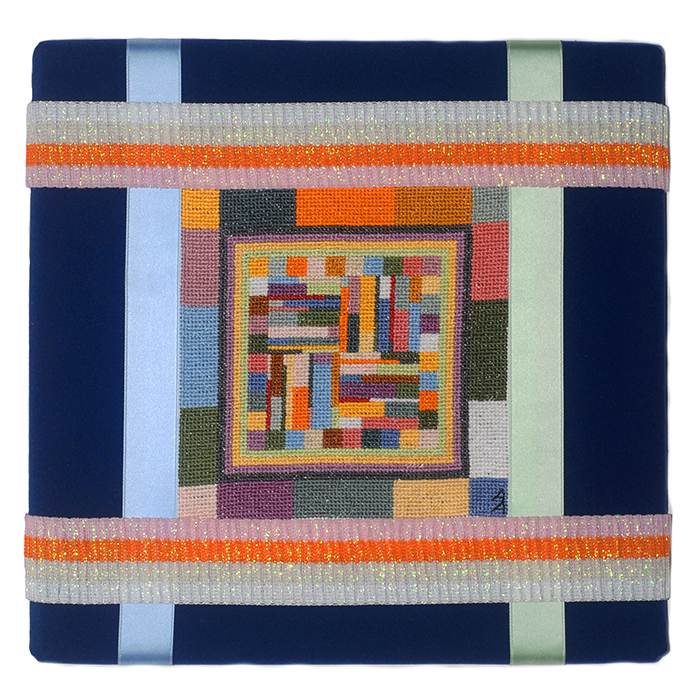
Note for example the cross-stitch embroidery “Pastel Caleidoscope” performed by Antonella Argiroffo, with comforting and harmonious shades, which in the geometries of color finds its own expressive channel and an intellectual research in the field of textile art.
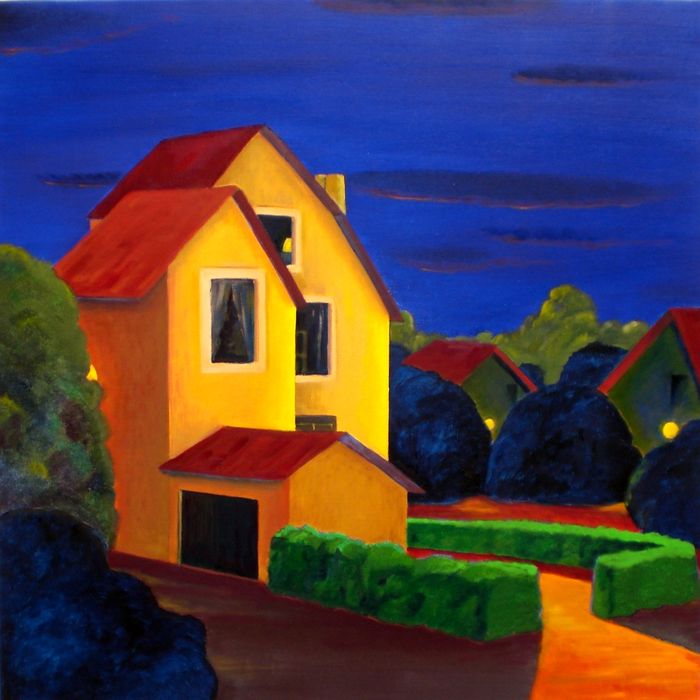

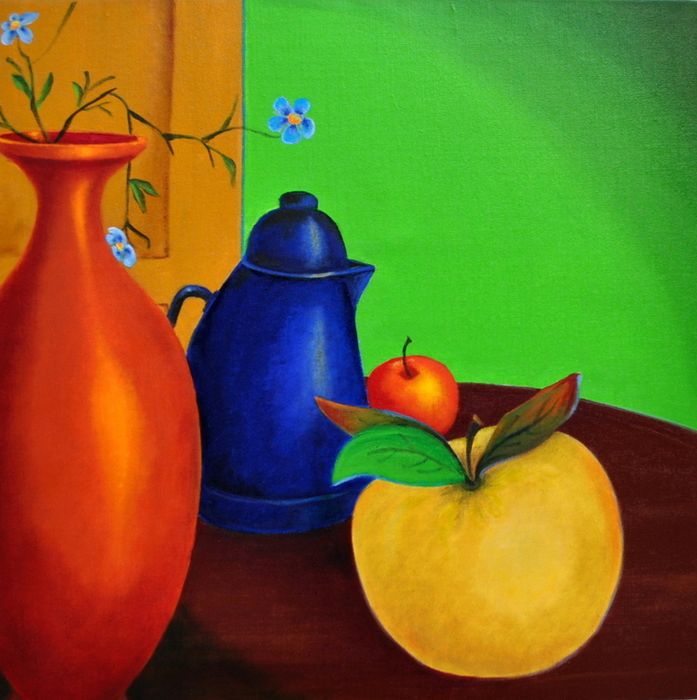
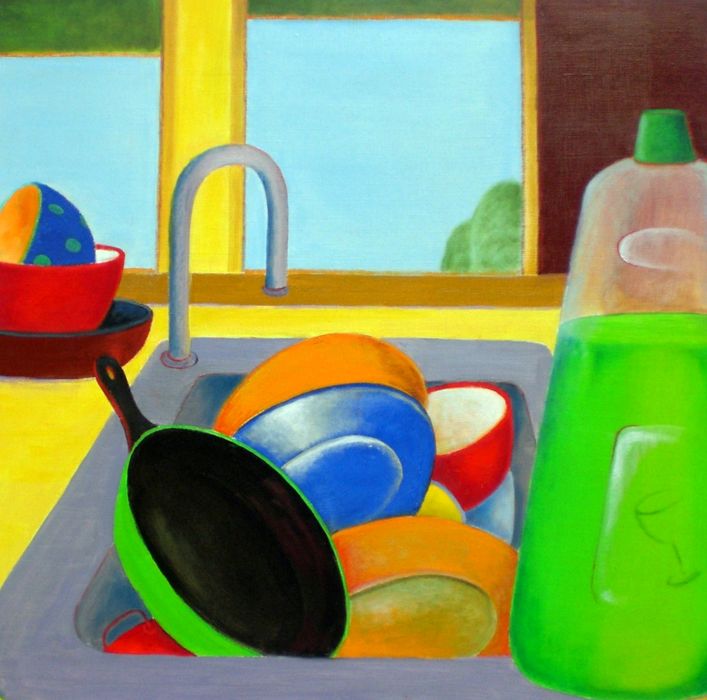 Color becomes an effective vehicle of communication with the artist Alda Maria Bossi. In particular, in the works titled “Three houses near the woods” and “Small village in the evening” one can observe a vigorous chromatism, supported at the same time by a very evident formal research in these two more geometric oils. The rigorous sign of “Three houses near the woods” and “Small village in the evening” then gives way to the softness of the line in the paintings “Two apples and the blue teapot”, “Sweets” and “Plates to wash”. In this last canvas we are overwhelmed and at the same time reassured by the bold chromatic juxtaposition, which denotes not only a very personal style but above all great courage. Alda Maria Bossi possesses such mastery in the use of oil colors and chromatic sense that we find ourselves faced with works of great depth.
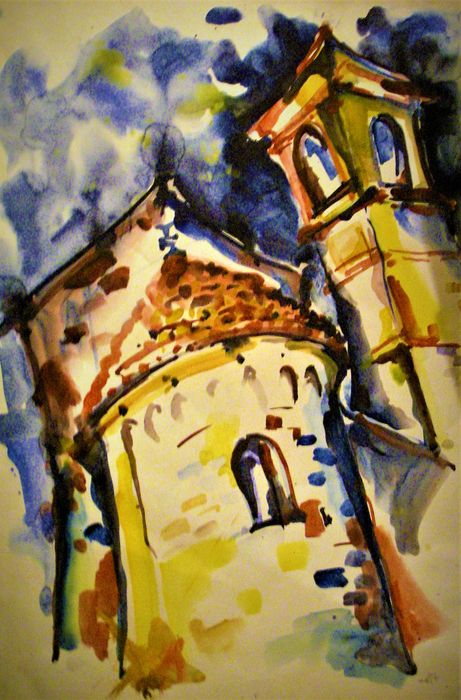
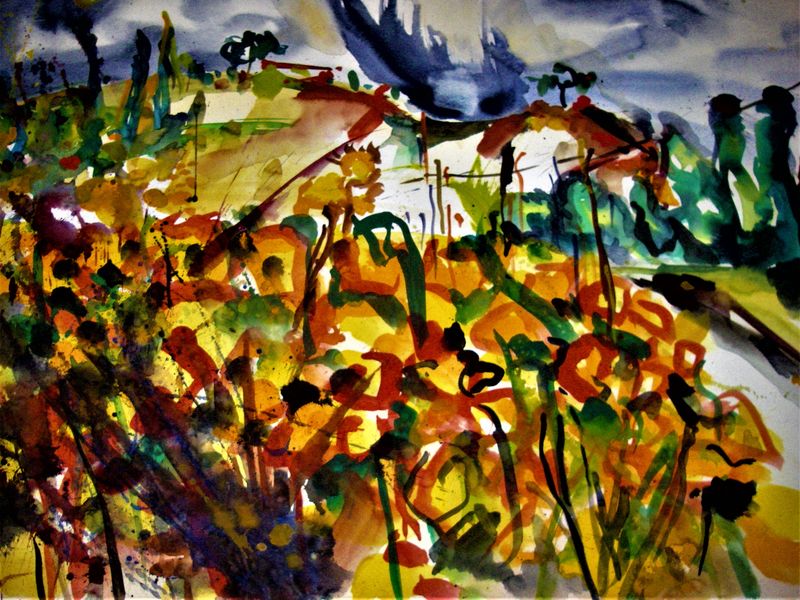
It is an honor to be able to virtually exhibit the works of the late Christian Arnulf Hecher (1959-2009), a historic Austrian artist with a disturbing style. In his watercolors we can immerse ourselves in the authentic colors of nature, especially in “Gira Soli in Mea Testa”, where the frenzy of the stroke marks the rhythm of the soul. Even in the watercolor “Campanile Romanico”, signed Christian Arnulf Hecher, the natural and rapid colors convey both disturbance and vivacity.

In the digital photography “Colors-Hope-Creativity” Miriam De Berardis unleashes an explosion of psychic energy of unprecedented power through the expressive exuberance of color, which becomes the undisputed protagonist of the work. Color is used by Miriam De Berardis as a metaphor for the meaning of life.
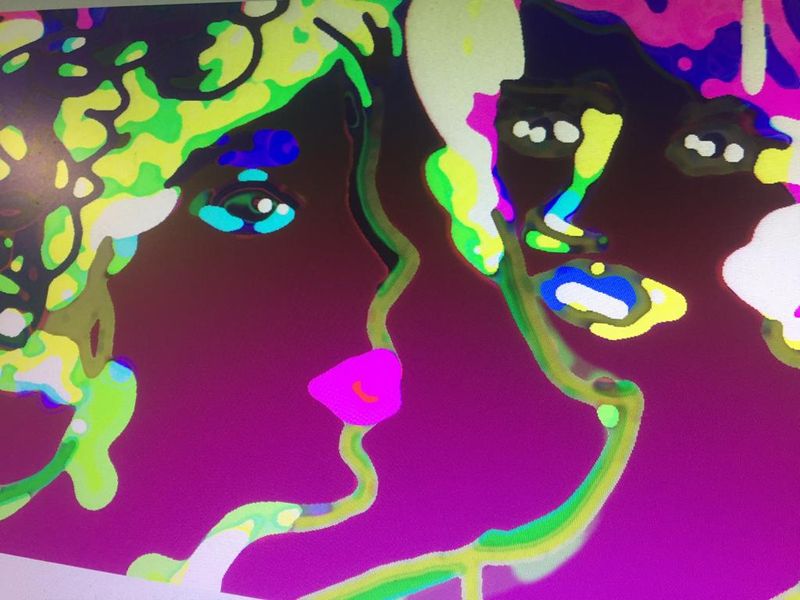
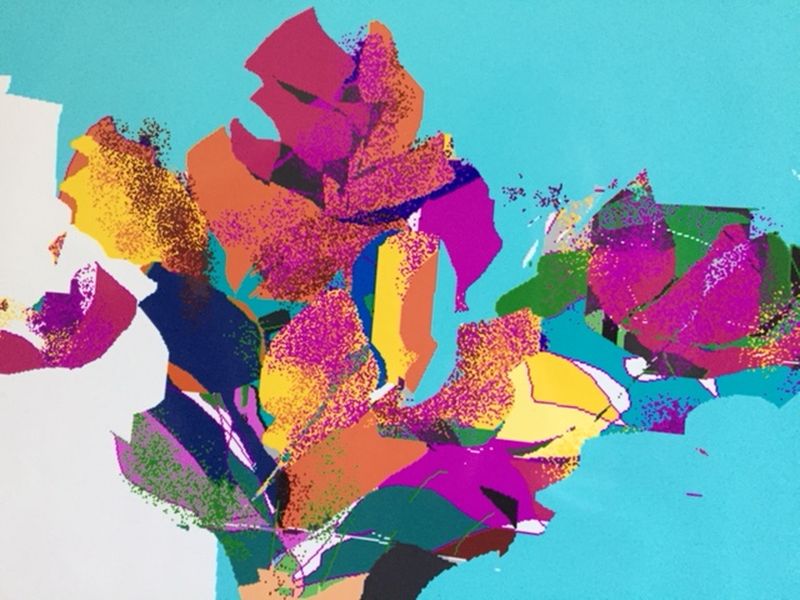
Continuing this virtual journey we arrive at the digital art of Laura Lantero, which introduces us to a completely new world from the point of view of communication. In “Conversation” the artist investigates with great ability to synthesize the theme of human relationships, put to the test by the current Coronavirus period. In the digital work “Magic flowers” in addition to the floral motifs, a particular balance between cold and warm tones emerges that with great intuitiveness Laura Lantero experiments on a selected chromatic range.
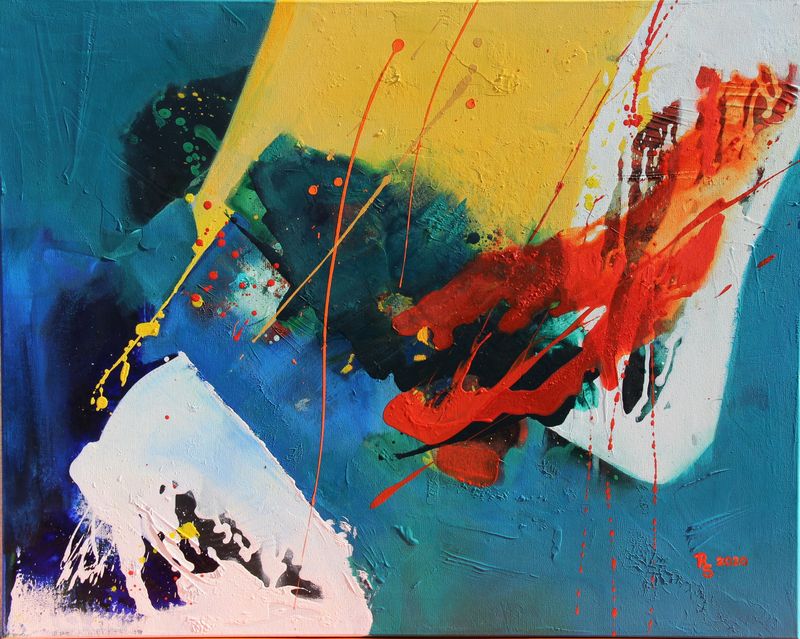
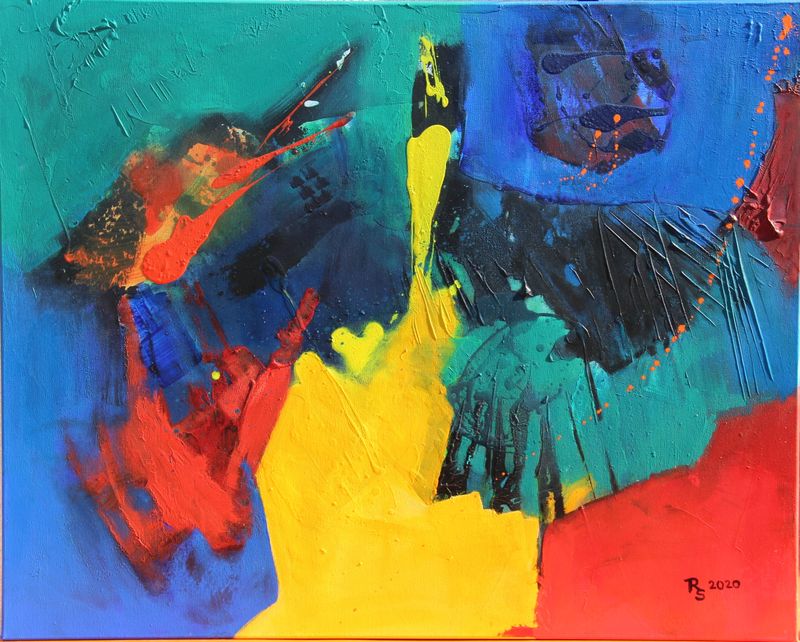
The Austrian painter Roswitha Schablauer surprises with her abstract chromatism, investigating the ephemeral. The color infuses a feeling of well-being in the observation of her untitled canvases, intentionally left to the free interpretation of the final user of the work of art.

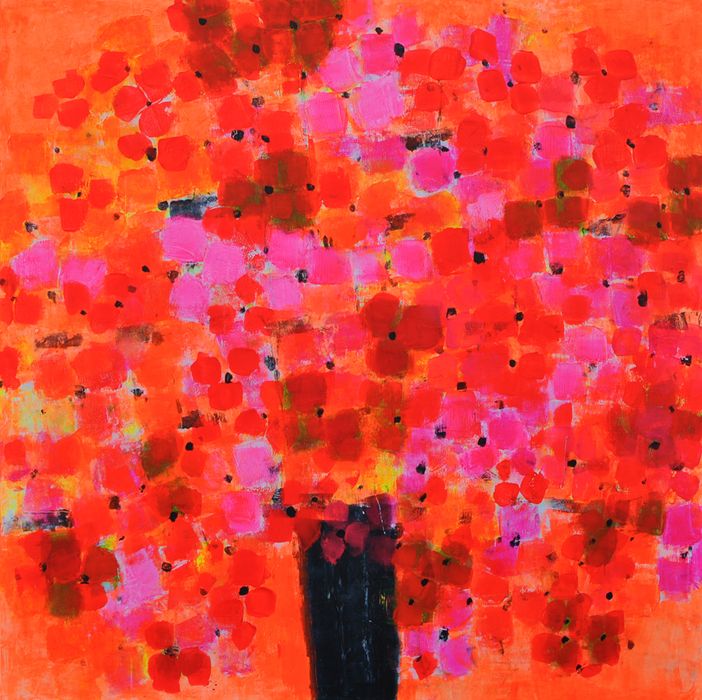
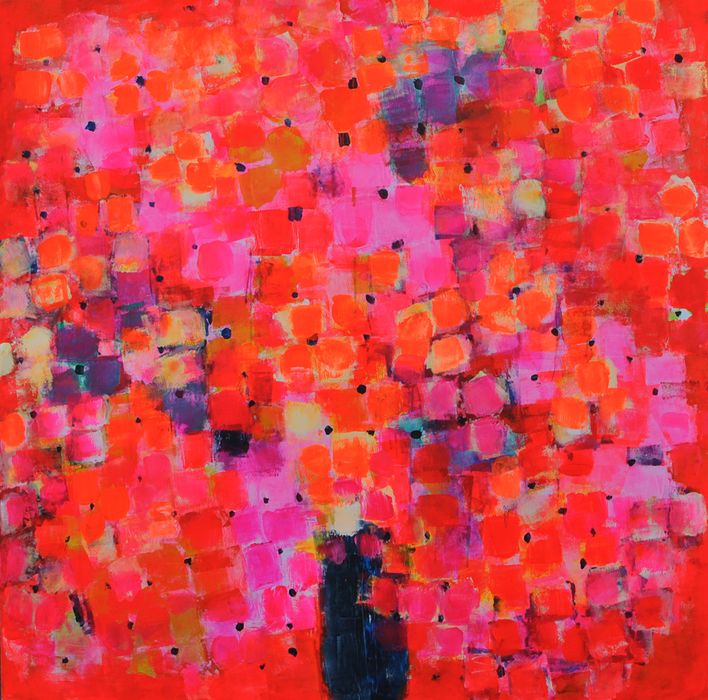

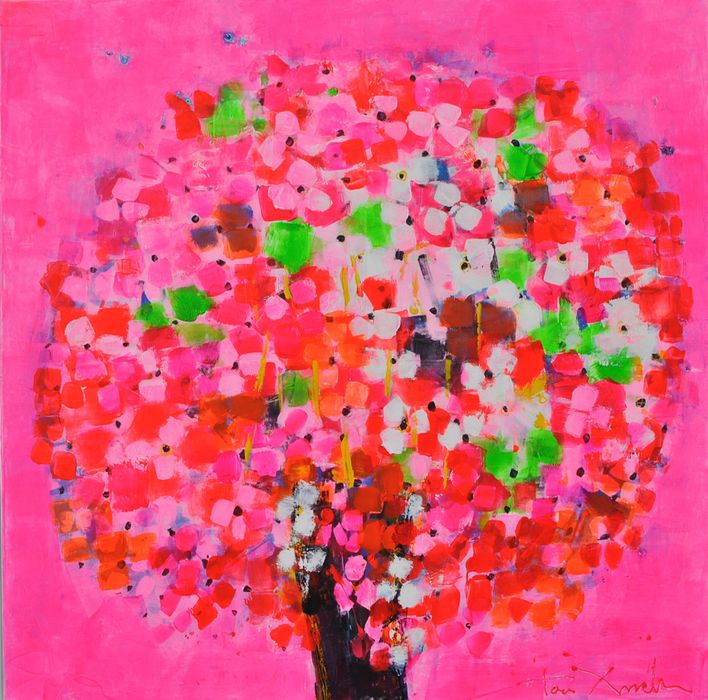
From Denmark comes the corpus of a dozen pictorial works, signed Tove Andresen, which restore the human soul from earthly suffering with their spiritual chromatism. The Danish artist transports us to a dimension of well-being thanks to the chromatic exasperation and the apotheosis of light that characterize some of her works of art such as, for example, “Magnolia 1”, “Magnolia 2” and “Magnolia 3”, followed by the magnificent rhythmic scansion of her painting in “Amarylis” and “Sunbeam”.


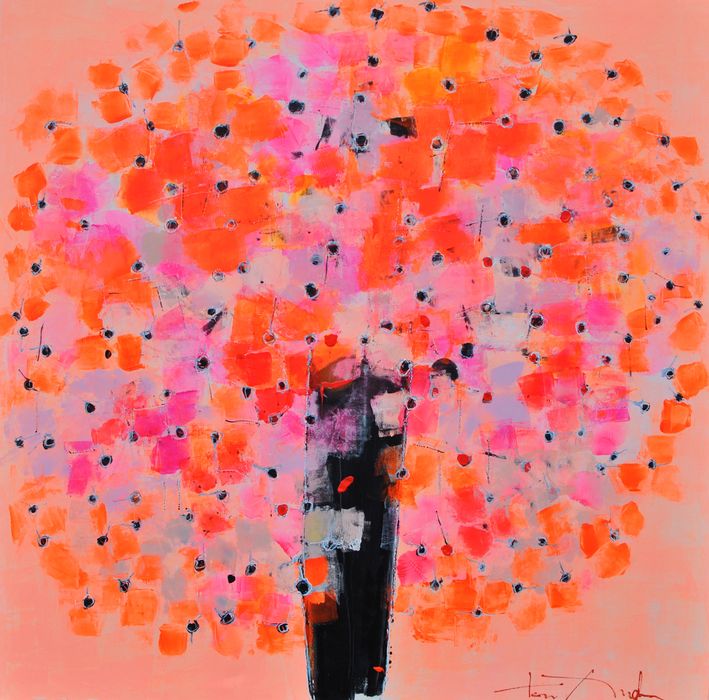
Andresen breaks the screen with his creativity and his chromatic exuberance, which however is slightly mitigated in the paintings entitled “Forest Adventure” and “Hot Chili” up to the cathartic expressiveness of “Adventure 2”. But if you look at the canvases “Sunshine” or “Alhambra” you perceive an emotional attempt of strong visual impact even in the adoption of a more moderate chromatic register. This series of arboreal elements praises a rebirth but above all joy and the future with immense confidence and not without a burst of optimism. Thank you Tove Andresen for this vision imbued with extraordinary positivity, reachable by all.
Sabrina Falzone, art critic and historian